
01 — output
AI coding tools solved the generation problem.
Code ships faster, more services get built, output goes up.
Battle-tested at Spotify. Yours to try.
Xirp connects to your services, ownership, docs, and architectural decisions — so every AI coding session starts with real context, not guesswork.
The product
Run sessions in the Xirp desktop app. Keep the context in Portal — your own instance is included with the beta.
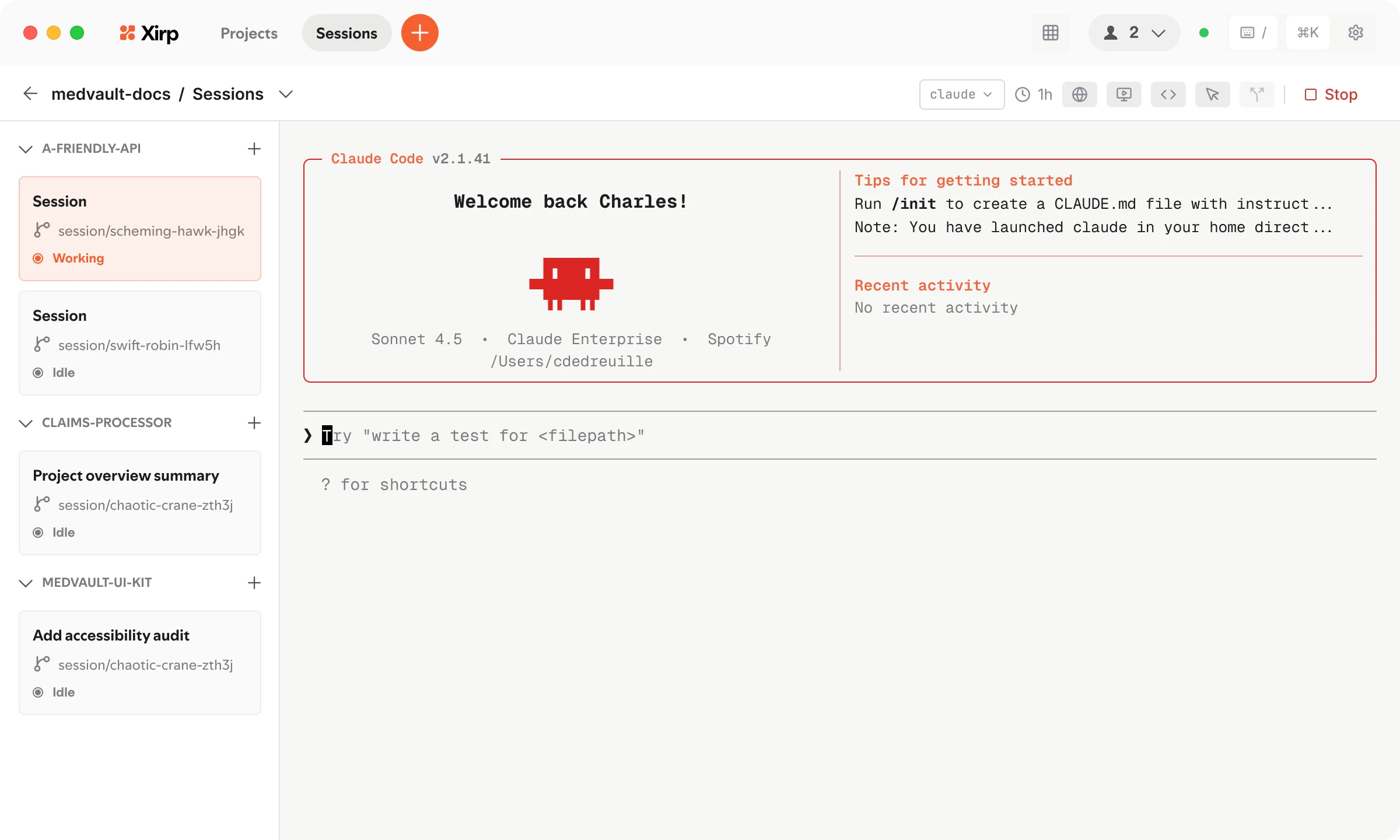
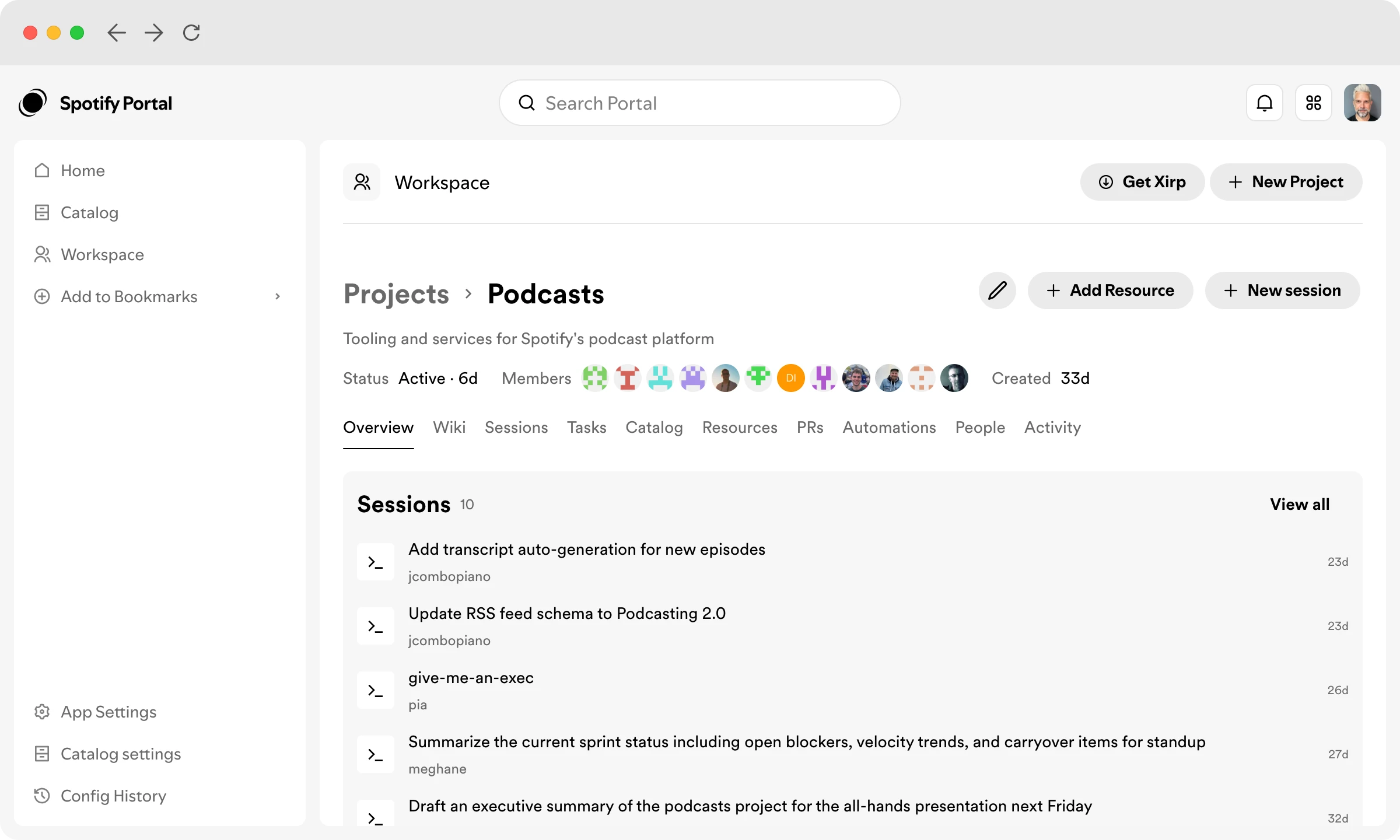
Tap into the full potential of Xirp. Request access to your own Portal instance, included with the beta.
01 — output
Code ships faster, more services get built, output goes up.
02 — but
Because they don't know what they're actually working inside.
03 — the knowledge exists
The knowledge that would fix this was never missing.
04 — the real diagnosis
READMEs, Confluence pages, and architecture diagrams just go stale while the real work keeps moving.
05 — xirp
An agentic development environment that understands your code — connected to Portal, it knows your services, ownership, dependencies, and architectural decisions. All of it, in every session.
The difference
Flip the switch to see what changes when the agent actually knows your system.
✓ wrote exponentialBackoff(retries: 3, base: 250ms) around checkout.charge()
✓ added jitter, capped at 4s — textbook implementation
Technically correct. Operationally wrong.
→ checked Portal: checkout is owned by team-spectra
→ found ADR-0098: no client-side retries on checkout — decided after INC-2231
→ found 3 downstream services that depend on gateway retry semantics
✓ moved the retry policy to the gateway config — where team-spectra says it belongs
Grounded. Shipped with confidence.
Four pillars
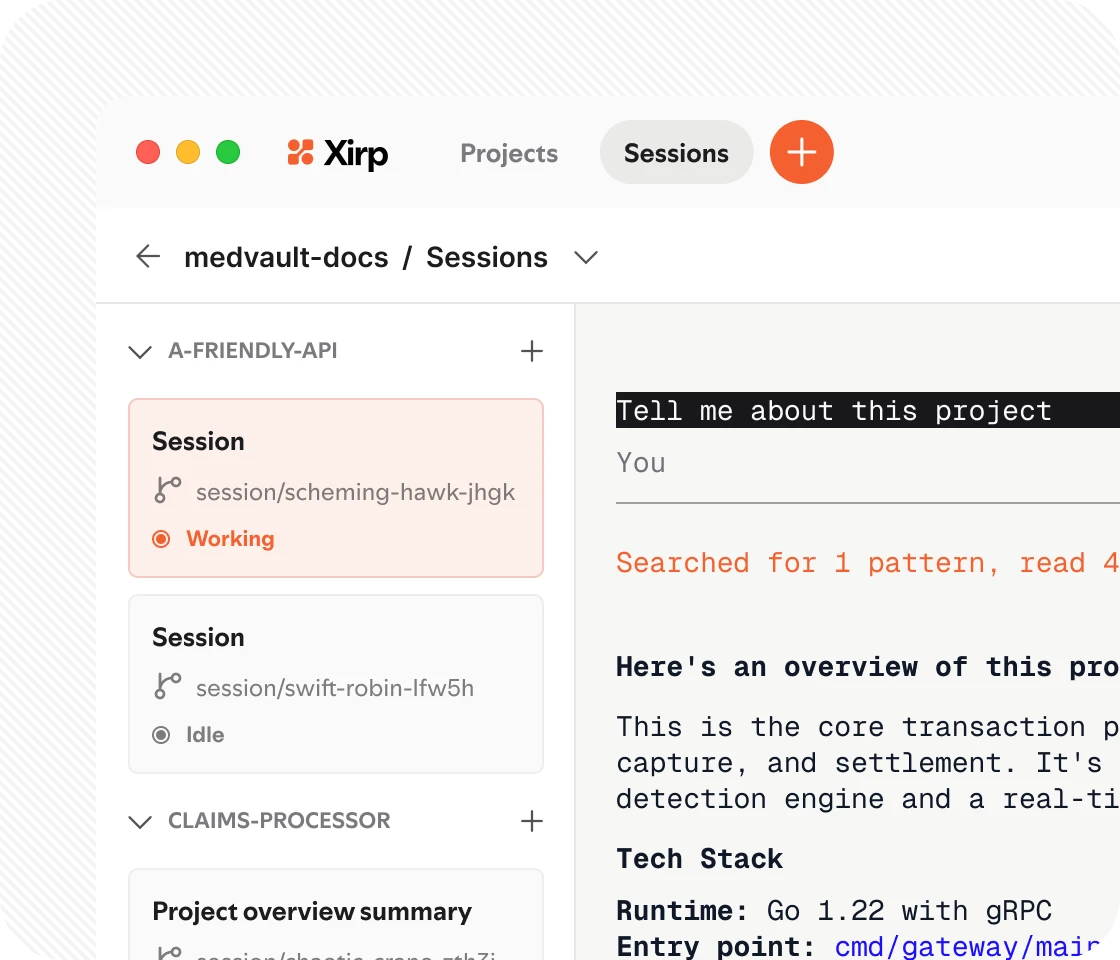
Agent
Other agents see the file you're working in. Xirp sees the system it's part of: who owns the upstream service, what depends on it, why it was built this way. Every session starts grounded, and every session makes the next one smarter.
Workspace
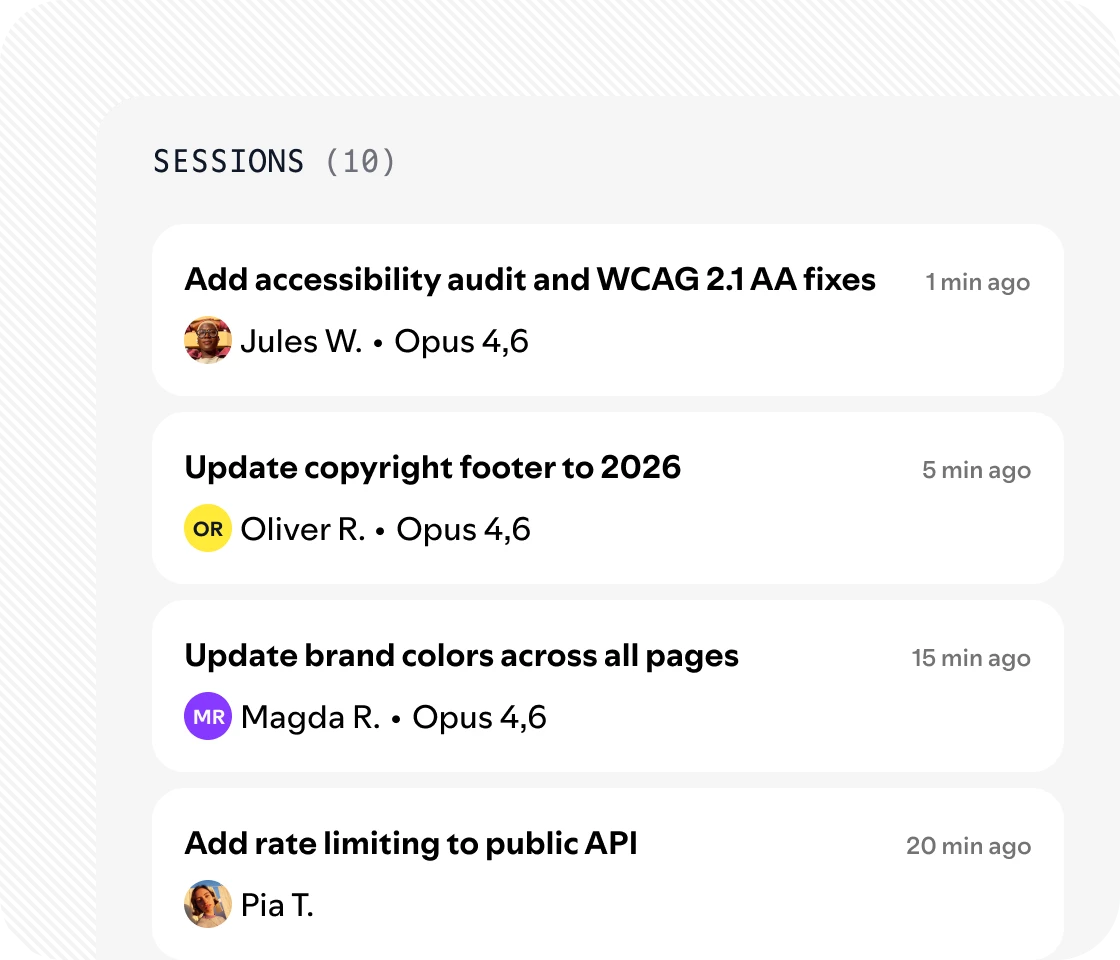
Workspace, a Portal plugin, holds your work items, sessions, and docs in one place. When an engineer wraps a session, the context doesn't disappear. It's stored and ready for the next person, or agent, who touches that system.
Documentation
Every coding session generates real knowledge. Xirp captures it, turns it into documentation that stays current, and feeds it back into future sessions so every agent and engineer starts smarter. No more asking engineers to stop and write docs. It happens as the work happens.
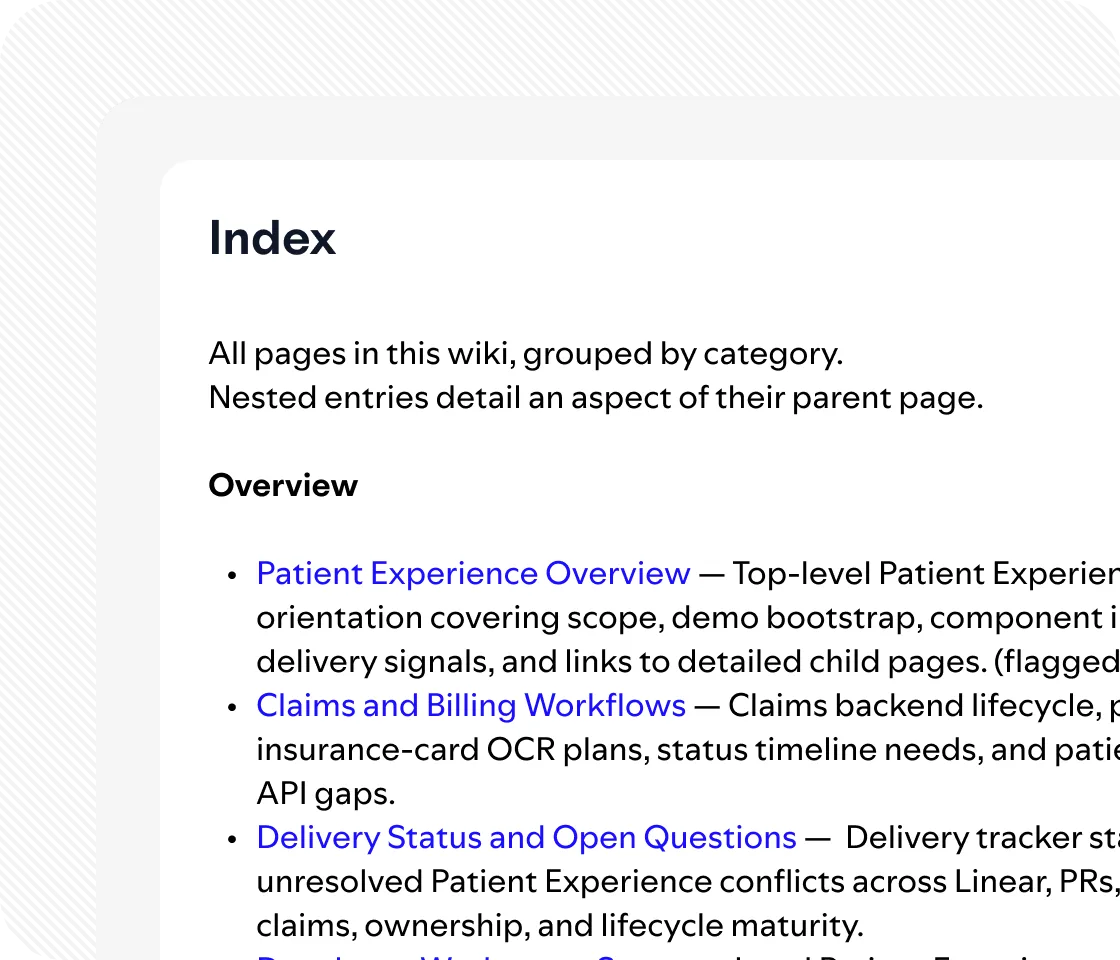
Flexibility
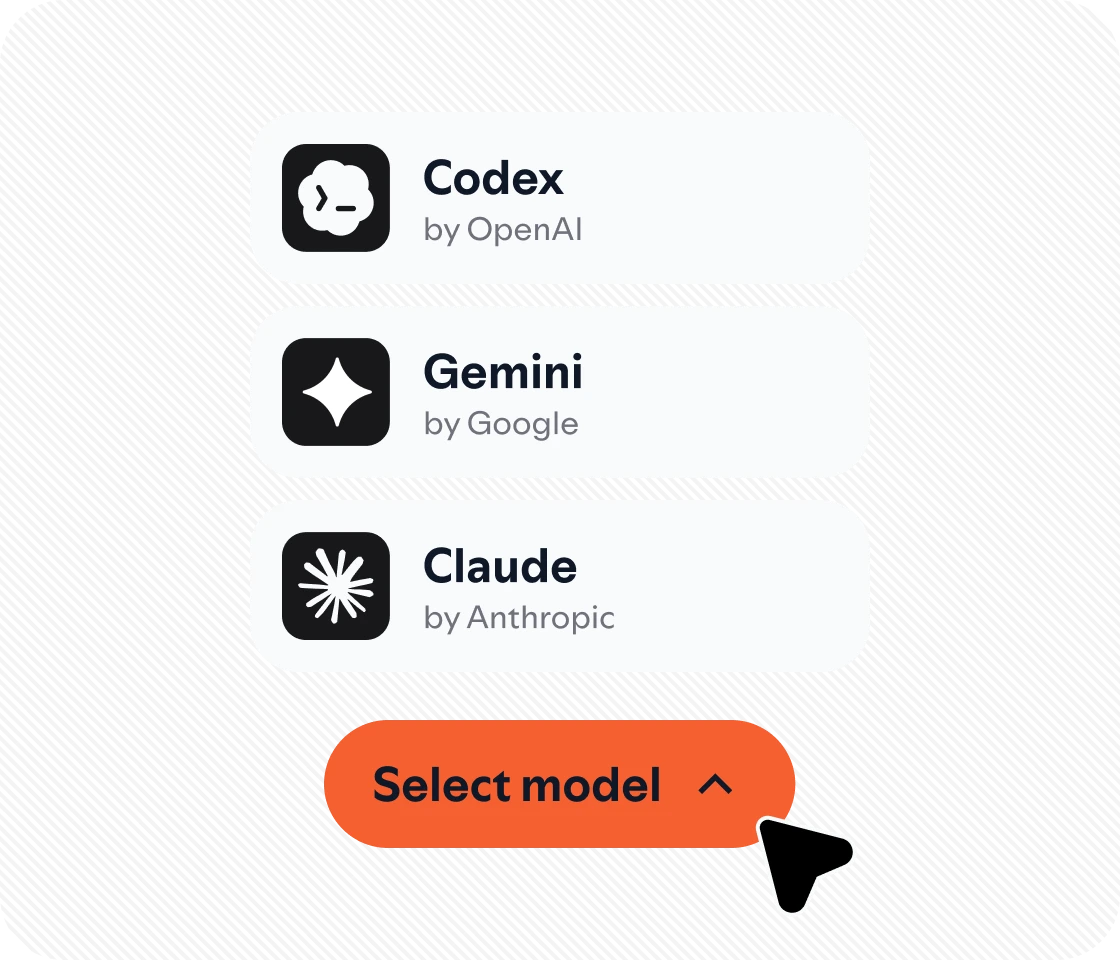
Xirp is a harness for the model you prefer. Switch between Claude, Gemini and Codex without losing context. Run sessions locally or remotely. Stay vendor-independent while the context layer compounds with every session.
modelClaudeswapped — nothing lost
runs /
your org's memory — it stays, and compounds with every session
Battle-tested
at Spotify
Built and run inside Spotify, against real systems at real scale.
Your own
Portal instance
Beta access includes Spotify Portal for your team — the context layer's home.
Model-
agnostic
Claude, Gemini, Codex. The context layer is yours, whoever writes the code.
Get started
See what your agents can do when they actually know your systems.
Watch the webinar: Powering your agentic transformation